Salvage value exchange for machinery & equipment
Salvage values the market
Automotive salvage exchanges don't reach machinery buyers. Restbid brings damaged machines and used equipment to the dealers, dismantlers and exporters who bid on them — sealed, binding, documented.
Early access: listing and bidding currently free of charge.
Forestry machinery
Harvester, fire damage
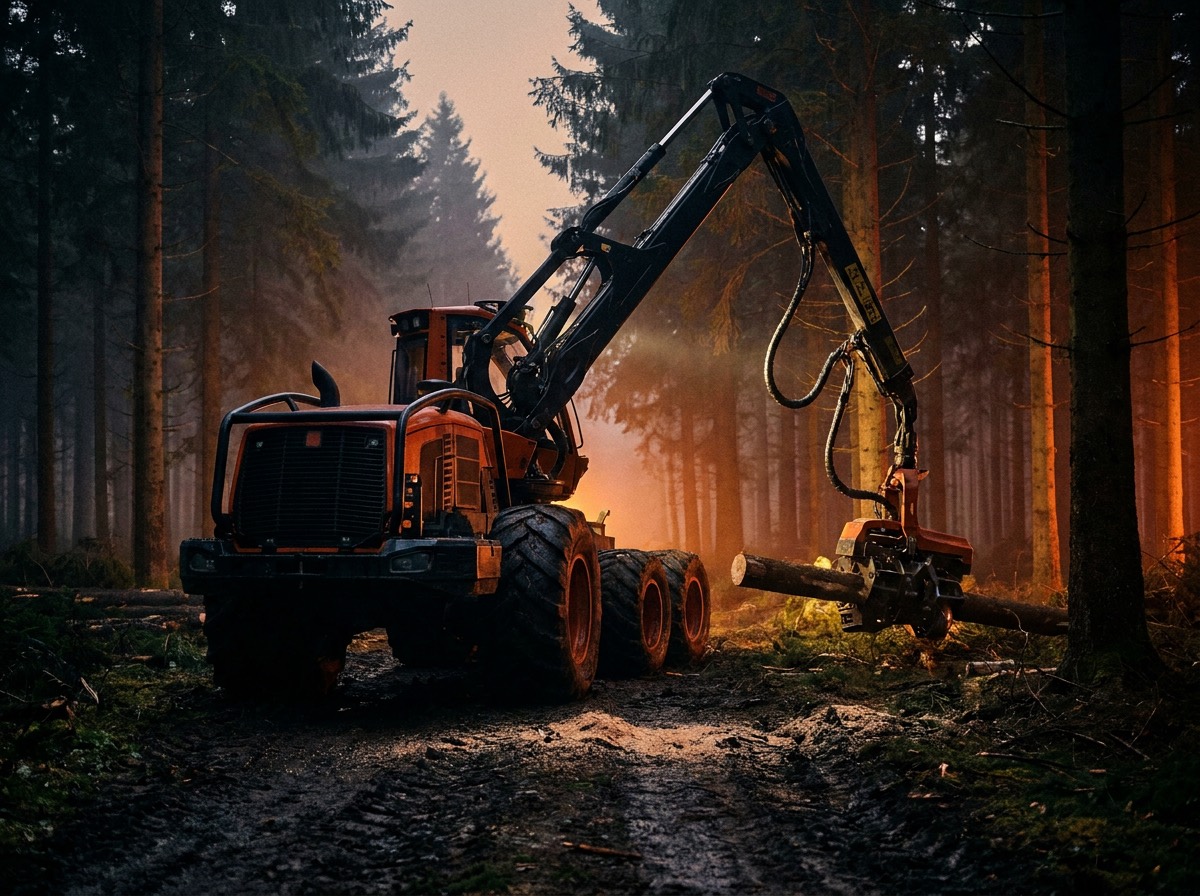
- Ref no.
- RB-2026-0117
- Location
- 58089 Hagen, DE
- Bidding ends
- in 2 days
Sealed bids
- Bidder B-10200.000 €
- Bidder B-07800.000 €
- Bidder B-11400.000 €
Highest bid after deadline
€34,500binding — 14-day collection guarantee
Process
From listing to salvage value certificate
Every step is logged with a timestamp — the bid summary can be used as evidence in appraisals and claims settlement.
- Day 0
List the asset
Photos, condition description, location and optionally an appraisal excerpt. Set the bidding deadline — done.
- Days 1–5
Sealed bids come in
Verified commercial bidders place sealed bids. Nobody sees anyone else's bid — what counts is true willingness to pay.
- Deadline
Bids become binding
Every bid remains valid for 14 days. The bidder commits to collecting the asset at the bid price.
- Afterwards
Salvage value certificate as PDF
Bid summary with amounts, timestamps and bidder companies — solid documentation for appraisals and insurers.
Who it's for
Two sides, one marketplace
For listers
Assessors · Insurers · Leasing companies · Insolvency administrators · Dealers
- Market-driven salvage values instead of automotive-exchange results for machinery
- Court-proof bid documentation with PDF certificate
- No obligation to sell — you decide after the deadline
For bidders
Machinery dealers · Dismantlers · Exporters · Workshops
- Damaged machines and equipment straight from appraisals and claims
- Subscribe to categories — matching assets by email
- Bid sealed, without price run-ups from open auctions
Categories
All machinery. All equipment.
From a fire-damaged forestry machine to a written-off machine tool — Restbid is built for technical assets, not passenger cars.
- 01
Forestry machinery
- 02
Agricultural machinery
- 03
Construction machinery
- 04
Machine tools
- 05
Presses & forming technology
- 06
Woodworking machinery
- 07
Municipal & garden equipment
- 08
Forklifts & material handling
- 09
Workshop equipment
- 10
Other machinery & equipment
Reliability
Built for results that hold up
- Verified bidders only
- Every bidder proves their business registration and is approved manually. Strictly B2B — no right of withdrawal, no anonymous bids.
- 14-day binding period
- Once the deadline passes, every bid becomes binding: collection at the bid price, confirmed when the bid is placed. Defaulters are suspended.
- Complete audit trail
- Every action is logged with a timestamp. The bid summary is available as a PDF salvage value certificate for the appraisal.
The exchange opens soon.
We are building Restbid right now. Register today — you will be approved as soon as the first assets go live. Completely free during the pilot phase.
Register now